Flame Extinguisher

Home Fire Safety Essentials

Ensuring your home is well-prepared for a fire emergency with all the proper fire safety essentials is crucial for the safety of you and your loved ones. See our comprehensive guides below:
Fire Safety Essentials Topics

When we refer to Fire safety we are looking at the set of practices aimed at reducing the destruction caused by fire. It involves understanding the basic properties of fire, the various scenarios that can lead to fires, and the principles of fire prevention and management. 

Jump To:

Fire Prevention:

This is the first line of defense in fire safety. It includes regular maintenance of electrical systems, safe cooking practices, cautious handling of flammable materials, and adherence to building codes that emphasize fire safety.

Fire Safety Statistics

Household Hazards and Safe Practices

Electrical Safety and Preventing Overloads in Home Wiring: This includes ensuring proper electrical installations and avoiding overloading circuits, which are common causes of home fires. Do not plug large appliances using a power cord. All major appliances should be plugged directly into a wall power outlet. Learn more in our guides below.

Did you know that according to the U.S. Fire Administration, electrical malfunctions account for about 6.3% of residential fires?

Discover the ultimate guide to the power surge protector! Shield your gadgets, prevent disasters, and ensure total home safety. Don’t miss out – read now!

Fire Safety Essentials Flameless Candles

Safe Use of Candles and Open Flames in Residential Settings: Addressing the risks associated with open flames within homes and how to manage them safely. It is recommended to use flameless candles for household use. We also recommended the use of rechargeable lighting instead of open flamed candles in the event of a power outage.

NFPA reports an average of 23 home candle fires are reported each day in the U.S.

Safe Smoking Practices and Eliminating Indoor Smoking Hazards: Focusing on reducing fire risks associated with smoking indoors, a leading cause of home fire fatalities. With smoking materials being a leading cause of fire deaths in homes, creating a ‘no smoking’ policy indoors isn’t just wise, it’s a life-saver.

Smart Storage and Fire-Resistant Choices

Proper Storage and Handling of Flammable Liquids at Home: Encompasses the safe keeping of flammable substances like gasoline, solvents, and oils, which are potential fire hazards. First and foremost, they should be kept in their original containers from the manufacturers. Additionally, make sure that they are stored in a well ventilated area that is not directly connected to the main living areas. Last but not least, any and all flammable liquids should be kept out of reach of children.  

Fire-Resistant Materials in Home Construction and Furnishing: Involves using materials that are less likely to catch fire, which can significantly slow the spread of a fire. Opting for less flammable materials can be a game-changer in slowing fire spread, giving families more time to escape.

Keeping Equipment Safe & Efficient

Maintenance and Safe Use of Heating Equipment: Covers the regular inspection and safe operation of heating systems, including furnaces, boilers, and fireplaces. Regular maintenance is not just about efficiency but also safety. Heating related fires are consistently near the top of overall causes of residential structure fires in the US every year. 

Cooking Safety: Preventing Kitchen Fires: Focused on practices to prevent fires in the kitchen, the most common place for home fires to start. Do not leave the kitchen unattended while cooking and always have a working fire extinguisher near by. Refrain from using the oven to heat the home. 

Educating and Environmentally Safeguarding

Fire Safety in Workshops and Garages:

These areas can be hotspots for fire hazards with tools and chemicals, necessitating organized storage and regular checks.

Fire-Smart Landscaping: Creating a buffer zone around your home with fire-resistant plants can be a critical defense against wildfires. Rock bedding is a very effective fire break. Learn more at WFCA.com

Teaching Kids About Fire Safety: Instilling fire safety habits in children is not just about preventing fires, but also ensuring they know what to do in case of an emergency. A great resource is sparky.org

Fire Detection and Warning Systems:

These systems are crucial for early detection, which can significantly mitigate the damage caused by fires. Smoke alarms, heat detectors, and fire alarm systems play a pivotal role here. Modern fire safety increasingly integrates smart technology for fire detection.

Understanding Smoke and Carbon Monoxide Alarms

Setting Up and Looking After Your Smoke Alarms: Having smoke alarms in key spots around your home, like near bedrooms and in/near the kitchen, is a no-brainer for safety. But remember, they need a bit of TLC – testing them monthly and swapping out batteries yearly is crucial. It’s a startling fact from the NFPA that most deaths in home fires happen in places without working smoke alarms.

Picking the Right Smoke Detector for Each Room: Not all smoke alarms are created equal. You’ve got ionization alarms that are quick to spot flaming fires, and then photoelectric ones that are better at catching smoldering fires. So, choosing the right type for each room is key for effective fire detection.

Why Carbon Monoxide Detectors are a Big Deal in Fire Safety: These detectors are lifesavers, literally. They catch the carbon monoxide you can’t see or smell, often produced by fuel-burning appliances. Placing them near bedrooms and where you have these appliances is super important.
Fire Safety Essentials Carbon monoxide alarms

Why Carbon Monoxide Detectors are a Big Deal in Fire Safety:

These detectors are lifesavers, literally. They catch the carbon monoxide you can't see or smell, often produced by fuel-burning appliances. Placing them near bedrooms and where you have these appliances is super important.
Advanced Systems and Keeping Them Up-to-Date

The Cool Features of Smart Fire Detection Systems: These aren’t your average smoke alarms. Smart fire detectors can send alerts straight to your phone and even work with other smart home gadgets. They’re about giving you peace of mind, especially when it comes to catching fires early.

Keeping Your Fire Alarm System in Top Shape: Just having a fire alarm system isn’t enough; you’ve got to keep it in good working order. This means getting professionals to check it out now and then, keeping it clean from dust, and doing regular self-tests.

Heat Detectors: The Unsung Heroes in Fire Safety: In spots where smoke alarms might not cut it, like your garage or kitchen, heat detectors step in. They’re all about sensing quick temperature spikes or extreme heat, giving you an early heads-up in various fire situations.

Fire Suppression:

In each of these points below, there’s a clear theme: staying prepared and up-to-date with the best tools and technology can significantly up your home fire safety game. From the reliable extinguisher to cutting-edge systems that talk to your security setup, it’s all about being ready for whatever comes your way.

Basic Fire-Fighting Equipment at Home

Getting the Most Out of Your General Fire Extinguisher: It’s not just about having a fire extinguisher; it’s about knowing where it is and ensuring it’s ready to go. A quick monthly check to make sure it’s charged can make all the difference. In fact, the NFPA says that properly used fire extinguishers snuff out 80% of all fires.

Delve into the critical topic of fire extinguisher maintenance. Ensuring they function optimally in times of need will require proper maintenance.

Weighing Up Residential Sprinkler Systems: Think of sprinklers like a silent firefighter in your home. They’re super effective – the NFPA even notes that the death rate in homes with sprinklers is 81% lower compared to homes without. But, the upfront costs and maintenance might make you pause and think.

The Handy Nature of Fire Blankets: These are great for tackling a sudden flare-up, especially in the kitchen. Store them somewhere you can grab them in a hurry, like right in your kitchen drawer or on the wall.

New Innovations in Fire Suppression and Smart Integration

What’s New in Fire Suppression Tech: The latest in fire extinguishers include things like aerosol-based suppression, water mist, and even Eco-Friendly options.

Combining Fire Safety with Home Security: Nowadays, fire safety tech often ties in with your home security system. Imagine having a system that not only puts out a fire but also calls for help automatically. It’s all about making your home safer and smarter.

Evacuation Procedures:

Clearly defined and practiced evacuation plans are vital in ensuring safety during a fire. Research has shown that regular drills and psychological preparedness can significantly improve response during an actual fire. Keeping everyone in your home, from the youngest to your four-legged pals, safe and prepared for the unexpected. Fire safety is about planning, practicing, and making sure everyone knows their role.

Click the images below to download, share and print.

Planning Your Family's Fire Escape

Crafting Your Fire Escape Blueprint: It’s all about having a game plan for getting out fast. Did you know that having a fire escape plan can majorly boost your family’s safety, as the NFPA points out? Make sure you’ve got two ways out of every room and a spot where everyone can meet up outside.

Evacuation Tips for Parents with Little Ones: Young kids need extra help during a fire. It’s about making sure they understand what to do and how to get out safely, especially for those too small to evacuate on their own.

Special Scenarios in Evacuation

Getting Out of a High-Rise Safely:

In taller buildings, getting out during a fire has its own set of rules. You should know your building's specific plan and all the exits, and remember, in a fire, elevators are a no-go. Click on the image to download the PDF from usfa.fema.gov


Don’t Forget Your Furry Friends: Pets are part of the family, too, so plan for their escape. Train them to come when the alarm sounds, keep carriers handy, and practice with them during your family fire drills.

The Why and How of Fire Drills at Home: Practicing a fire drill at home isn’t just for peace of mind – it’s a life-saver. The NFPA suggests doing this twice a year. Get the whole family involved so everyone knows the drill.

Discover the essential guide to crafting a foolproof Home Fire Escape Plan. Protect your loved ones with expert tips and life-saving strategies. 🔥🏠 #SafetyFirst

Post-Fire Recovery:

This involves strategies to deal with the aftermath of a fire. It’s a mix of immediate, practical steps and the longer journey of financial and emotional recovery, not to mention taking those lessons to heart for better future safety.

What to Do Right After a Fire

Immediately After the Fire – Safety First, Then Assess: Once the flames are out, the first thing is making sure everyone’s safe. Then, take a look at what’s happened to your place. Remember, only go back inside when firefighters give the all-clear. With over 350,000 residential fires reported in 2019 by the U.S. Fire Administration, knowing what to do right after is key.

Cleaning Up and Fixing Your Home Post-Fire: This part’s about clearing out all the mess – the soot, debris, even the water from putting out the fire. Sometimes, you might need pros to help fix things up. Acting fast helps avoid extra problems like mold.

Recovering and Learning in the Long Run

Dealing with Insurance and Getting Back on Your Feet Financially: After a fire, sorting out your insurance claim is a big deal. It means documenting everything and understanding what your insurance covers. Considering the NFPA’s report of an average $21,463 loss per home fire in 2019, this step is crucial for your wallet.

Taking Care of Yourself and Your Family Emotionally: Going through a fire can be tough on the mind and heart. It’s super important to get the emotional support you need, whether that’s talking to someone, joining a support group, or other community resources.

Learning from the Experience to Boost Future Fire Safety: After everything’s settled down, it’s a good time to think about how to be better prepared next time. Maybe it’s getting better smoke alarms or tweaking your home fire escape plan.

Home Fire Safety Essentials Product Guides​

Remember, fire safety is a holistic approach, and it's important to combine preventive measures with preparedness and awareness. Regularly review and update your safety measures to ensure a safe living environment.

Fire safety is a multidimensional topic that combines technical knowledge, historical lessons, psychological preparedness, and modern technology. By continuously evolving and integrating new strategies and technologies, it remains a crucial aspect of ensuring safety in various environments. This comprehensive approach not only prevents loss of life and property but also reflects our commitment to a safer and more informed society.

Frequently Asked Questions:

Check the manufacturer’s guidelines, but generally, fire extinguishers have a lifespan of 5 to 15 years.

No, water can be dangerous for grease fires. Use a Class K or ABC fire extinguisher in the kitchen.

No, only certain types, such as CO2 or ABC extinguishers, are safe for electrical fires.

It’s not recommended. Extreme temperatures can affect the pressure and effectiveness of the extinguisher.

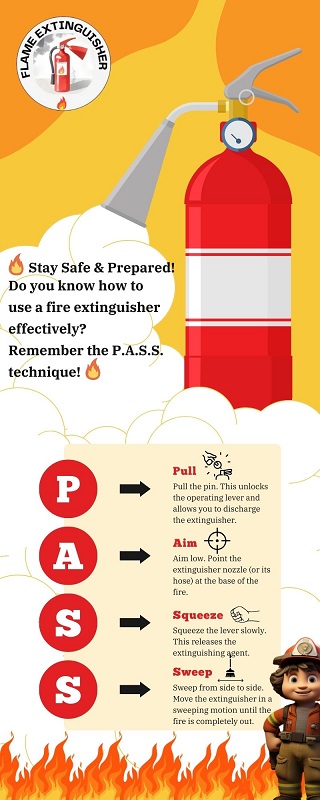
Follow the P.A.S.S. method—Pull the pin, Aim the nozzle, Squeeze the handle, and Sweep from side to side.

Scroll to Top